The Los Angeles Dodgers are baseball’s powerhouse, winning back-to-back World Series titles in 2024 and 2025. From international scouting to player development and smart spending on talent and staff, the Dodgers excelled in key areas that the New York Yankees can replicate. It won’t happen overnight, and there are no guarantees in baseball, but the key takeaways below would give the Yankees a far stronger foundation. The Dodgers have shown what a modern dynasty can look like; now it’s up to the Yankees to write their own chapter.
Investing in Front Office and Coaching Staff: Culture & Innovation Matter
Beyond players, the Dodgers have built an organizational culture and infrastructure that maximizes all that talent. Since Andrew Friedman took over baseball operations, Los Angeles has pursued industry leadership in every facet. They never slacked in scouting, analytics, player development, medical research, or any area of running a franchise. This all-in approach means the Dodgers leave no stone unturned in the search for an edge. For instance, by 2025 the Dodgers’ coaching staff included specialized roles that many clubs don’t have. The team added a “Major League development integration coach” (elevating their former VP of Player Performance) to ensure smooth translation of performance science into on-field results. The message is clear: Los Angeles is willing to invest in brainpower and coaching to help players improve. Their front office is similarly deep, blending traditional scouting wisdom with cutting-edge analytics. It’s no coincidence that the Dodgers are often on the forefront of trends, from defensive positioning to pitch design, because they’ve hired a robust staff of analysts, biomechanists, and development gurus.
This investment in people and culture pays off in the clubhouse. Players often mention how different it feels to be a Dodger. Utility man Enrique Hernández, who has played for multiple franchises, said what separates the Dodgers is the communication, other teams treat you like an employee, but in L.A. “they make sure we’re on top of our game”. The Dodgers involve players in the process and earn their buy-in. Even star newcomers feel it: Blake Snell remarked that he always dreamed of becoming a Dodger, because from afar he could see how well-run the team was and how much players enjoyed being there. The result is a destination franchise; elite players want to come to Los Angeles, not just for the paycheck but to be part of the environment. Three-time World Series Champion Manager Dave Roberts and his staff have gotten players to perform at their highest levels, and the organizational culture is one where everyone from the front office to the field is aligned on winning. The Dodgers are beating everyone in everything by leveraging both their financial resources and their organizational smarts.
Player Development and Minor League Pipeline: Sustaining Success from Within
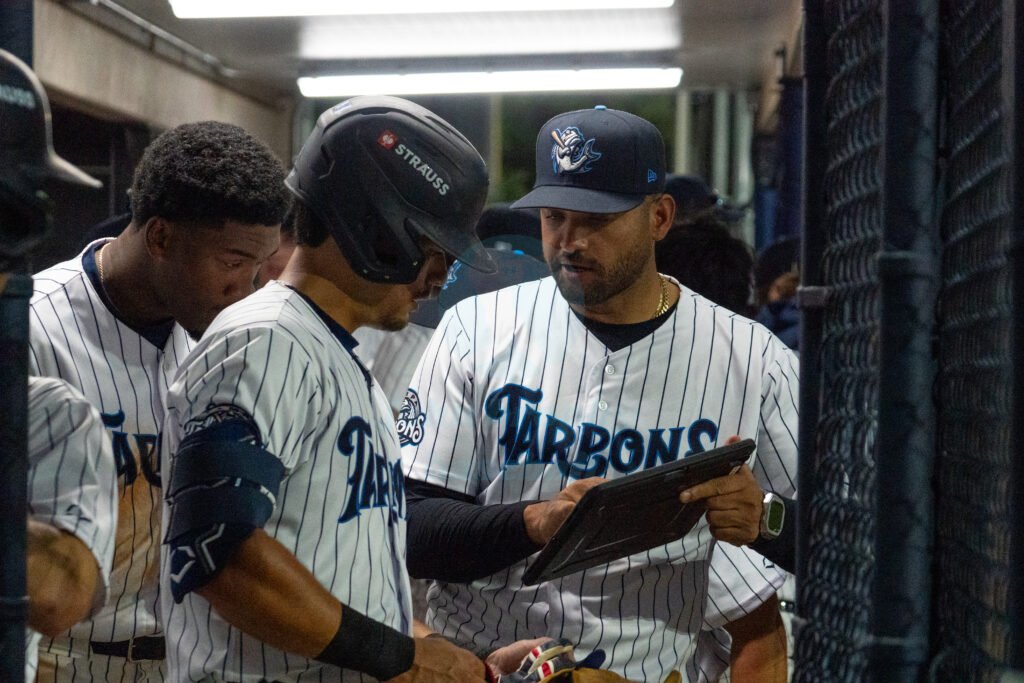
Perhaps the greatest testament to the Dodgers’ organization is that despite their superstar acquisitions and large payroll, they have never become overly reliant on just buying talent. LA’s pipeline of homegrown players remains alive and well. In fact, Los Angeles has not ranked outside MLB’s top 10 farm systems since 2013, and even after winning the 2024 World Series, their farm was ranked #1 going into 2025. Even while the Dodgers pick at or near the end of each draft, they continuously produce (or trade for) young impact players who step in and contribute. The World Series teams of 2024-25 were no exception. Homegrown catcher Will Smith, a 2016 draftee developed in L.A.’s system, put up 4.5 WAR in 2025. The Dodgers’ October roster was filled with players either drafted and developed by Los Angeles or acquired using prospects as trade capital (such as Mookie Betts, who was brought in via a trade that the Dodgers could swing thanks to a rich farm system).
Crucially, this pipeline depth gave the Dodgers resilience. In 2024, Los Angeles used 40 different pitchers over the course of the season, the second-most in MLB, as injuries hit the staff. Despite that, they still won the championship. Few organizations could weather that kind of storm, but the Dodgers managed because they could call upon MLB-ready arms from Triple-A and swingmen acquired via savvy minor trades. The phrase “next man up” is a cliché, but LA has lived it; their player development machine feeds the major-league club with a steady stream of talent. The Dodgers have maintained a rich pipeline even with their on-field success thanks to one of the game’s best scouting and player development operations.

International Signings: Building a Global Talent Pipeline
The Dodgers aggressively pursue talent outside the traditional MLB draft, both in the amateur international market and by signing established overseas stars. In recent years they landed multiple Japanese phenoms, underscoring their global approach. For example, Los Angeles scrounged up $6.5 million in bonus pool money to sign Roki Sasaki, a 21-year-old phenom from Japan. Sasaki’s rookie season had ups and downs (including Injured List and Minor league stints) but as the calendar turned to October, he was closing out games in the World Series. In fact, Sasaki allowed just one run in seven postseason appearances. On a much smaller scale, another international coup was Andy Pages, a Cuban outfielder signed for just $300,000, who blossomed into a 3.8 WAR player in 2025.
The Dodgers’ global reach also extends to courting established stars abroad. Their international influence grew alongside marquee signings like Shohei Ohtani and Yoshinobu Yamamoto, both of whom played vital roles in the Dodgers’ championship runs. Ohtani, the best player in baseball history, chose to join the Dodgers in the 2023-24 offseason. While Yamamoto, the reigning World Series MVP, arrived soon after. The presence of these Japanese superstars not only bolstered the roster but also opened lucrative business partnerships in Asia, as the club capitalized on their massive popularity. In short, Los Angeles showed that investing in international talent can yield franchise-altering rewards on multiple fronts.
Smart Free-Agent Signings: Spending Big and Wise
Los Angeles complemented its homegrown core by spending wisely in free agency to fill gaps with superstar talent. In fact, the 2025 Dodgers derived 23.6 Wins Above Replacement from players signed as free agents (nine members of their World Series roster), far outpacing their Fall Classic opponent in Toronto. Ohtani and Yamamoto, who combined for roughly 12.7 WAR in 2025. Ohtani delivered a 7.7 WAR season in L.A. after signing a record-breaking 10-year, $700 million contract, and Yamamoto added 5.0 WAR as a frontline starter on a $325 million deal. The Dodgers didn’t stop there, also signing left-hander Blake Snell to a five-year, $182 million contract. Snell’s regular-season contributions (Cy Young-caliber the year prior) didn’t fully show up in WAR, but he proved crucial in the postseason as a veteran arm. Even earlier free-agent pickups continued to pay dividends, such as first baseman Freddie Freeman, who put up 3.5 WAR in 2025 and has anchored the lineup since signing in 2022.
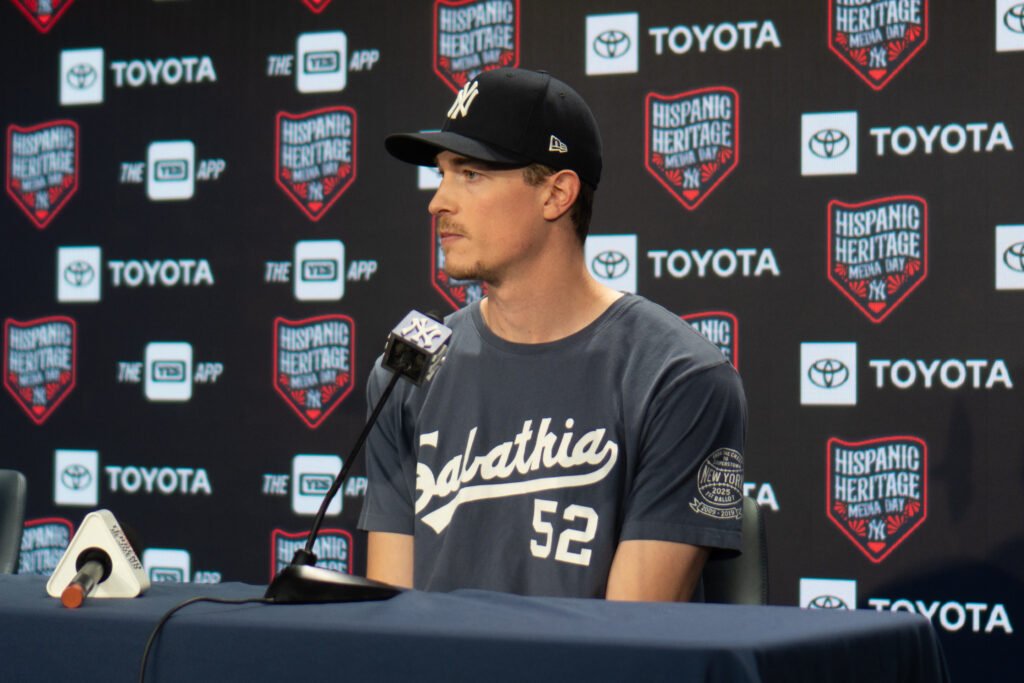
Equally important to spending big, is how the Dodgers choose to do so. Despite their willingness to sign elite players, they have largely avoided “landmine” contracts that burden the long-term payroll. The front office has shown discipline in identifying free agents who will provide surplus value. For example, Los Angeles inked Freeman for six years and $162 million, a deal which has proven to be a bargain given his All-Star production. In contrast, the Yankees spent similar money on pitcher Carlos Rodón (6 years, $168 million), who, while talented, has not nearly matched Freeman’s impact due to injuries and inconsistency. Moreover, the Dodgers structure deals shrewdly: Ohtani’s mega-deal includes heavy deferrals, keeping future budgets flexible, and the club’s books remain clean of dead money. All of which are legal strategies under the league’s Collective Bargaining Agreement. By 2027, the only players L.A. owes money to are core stars (Ohtani, Yamamoto, Betts, Freeman, Smith, and Tyler Glasnow), with no onerous sunk costs hampering them. This prudent cap management means the Dodgers can continue to retool and spend where needed. The Dodgers have successfully combined small-market efficiency with big-market spending power.
No responses yet