
The New York Yankees Draft a Pair of High-Upside Arms
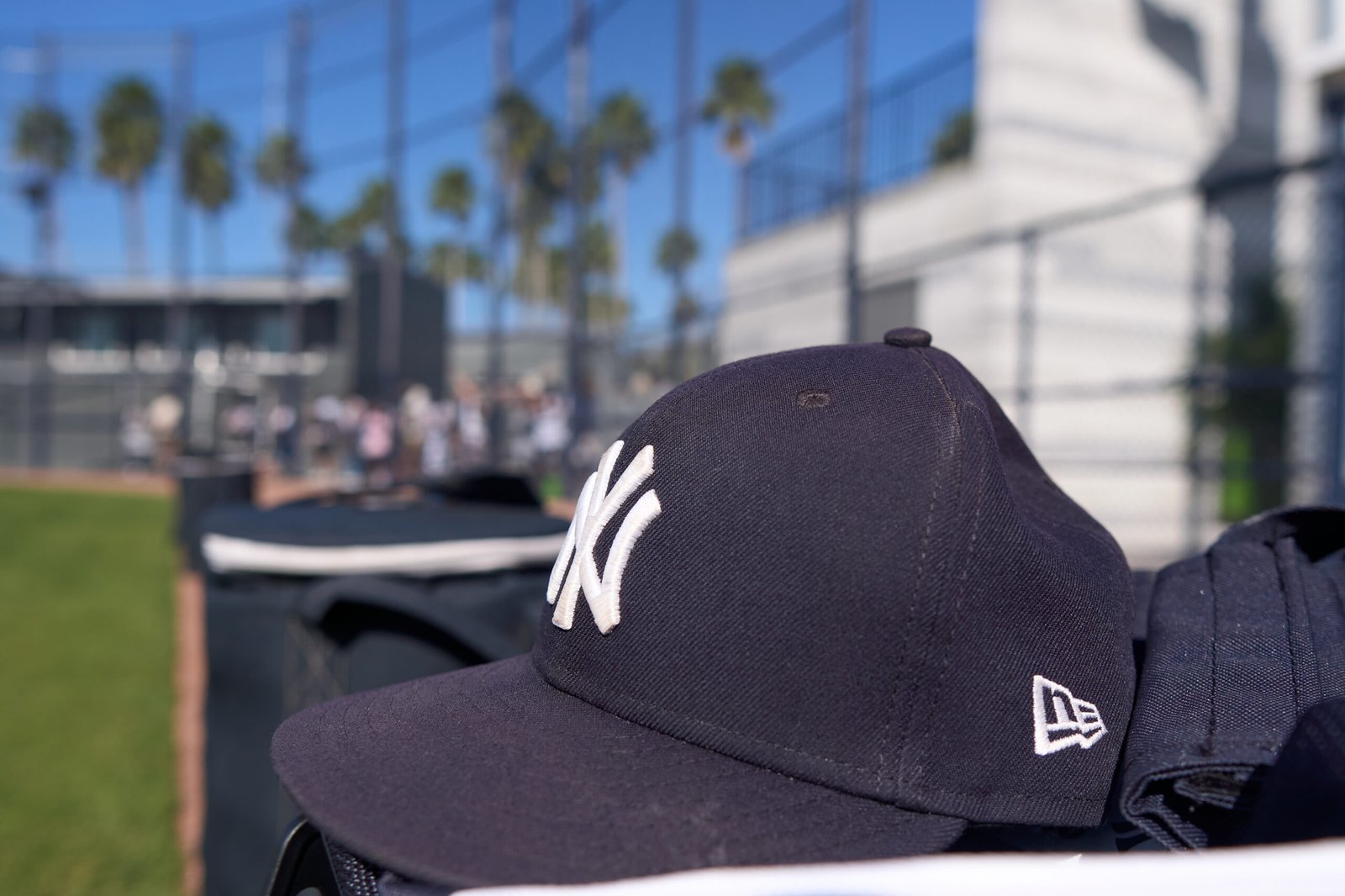
On Saturday afternoon in Philadelphia the New York Yankees watched two left-handed pitchers, arms that by pure talent had no business reaching picks 35 and 63, slide down the board for the same reason: the medical report. Damon Oppenheimer’s war room did what the best draft rooms do, they didn’t blink.
With their first two selections of the 2026 MLB Draft, the Yankees took Arkansas left-hander Hunter Dietz at No. 35 overall and Canadian prep southpaw Sean Duncan at No. 63. Both were ranked well above where New York got them. Both carry scars, literally, and that scared off risk-averse front offices. Both represent exactly the kind of bet I watched the Yankees make over and over during my years in the organization’s player development system: take the ceiling, trust the infrastructure, and let the pitching lab do what it does.
This wasn’t a team drafting for need. This was a team drafting talent that gravity delivered to them. Let’s set the table first, because the constraints matter. The Yankees’ first pick was originally slotted at No. 25 but dropped ten spots as the penalty for blowing past the second Competitive Balance Tax surcharge threshold. 2026 marks the second straight year they’ve eaten the CBT penalty. That left them with roughly $7.3 million in bonus pool money, third smallest in baseball, ahead of only the Mets and Dodgers.
Picking 35th with a bottom-three pool is the draft equivalent of shopping at a luxury outlet: you’re not getting first choice, so you’d better be great at finding the mispriced item. Oppenheimer has said publicly that the organization builds its board 300 players deep and takes the best player available in every round, regardless of positional need. On Saturday, the board handed them two players the industry had priced down for reasons that had nothing to do with talent.
The Yankees didn’t draft the safest players on the board Saturday. They drafted the best players on the board as defined by tools, traits, and trajectory rather than accumulated stat lines, and let the injury discounts do the work of fitting premium talent into a bottom-three bonus pool.
Dietz has one year of performance. Duncan won’t throw a pitch in anger until late 2027. A model that weighs past production would have passed on both. A model that weighs projection such as pitch shapes, spin talent, frames, athleticism, and command signatures says the Yankees just added two of the most talented left-handed arms in the class for the price of picks 35 and 63.
This is the same organizational identity that produced Ben Hess in 2024 (drafted over the objections of his surface stats), Cam Schlittler out of the seventh round, and Clarke Schmidt mid-rehab in 2017. The Yankees’ amateur scouting department has earned the benefit of the doubt on exactly this kind of pick, and their pitching development group has earned the benefit of the doubt on what happens after the pick.
The farm system’s known weakness is on the position-player side, and no, Saturday’s first two picks didn’t address it. But drafting for need at pick 35 is how you end up with neither the need filled nor the talent banked. The board gave the Yankees two lefties who weren’t supposed to be there. They took them. That’s the whole job.